
Rules and ethics
Nine checks for Glasgow and Edinburgh event marketing compliance
Event marketing agency teams in Glasgow and Edinburgh must run nine checks, from SEC Centre venue rules to Scottish procurement law and the ASA CAP Code.
What to take away
- An event marketing agency working in Glasgow or Edinburgh should treat compliance as nine named checks, not a single sign-off.
- Venue rules at the SEC Centre and Edinburgh venues cover licensing, capacity, rigging and food hygiene, and they sit alongside HSE guidance.
- Edinburgh festival season rules change pitch availability, noise conditions and staffing costs across August.
- Scottish procurement law applies to public-sector event contracts and sets thresholds, notices and standstill periods.
- The ASA CAP Code applies to Scottish event ads exactly as it does elsewhere in the UK, and the ASA enforces it.
Nine compliance checks for Glasgow and Edinburgh campaigns
Compliance in Scotland is not a single document. It is a set of checks that a campaign planner can run before, during and after an event. The nine checks below cover the ground that a Scottish event marketing agency is most often asked to evidence.
Nine Scottish compliance checks
- Venue licence and premises conditions
- Planning consent and temporary event notice
- Public and employer liability cover
- Advertising claims against CAP Code
- Data capture, consent and retention
- Procurement route and contract terms
- Festival timing, pitch and noise rules
- Fire, crowd and medical plan
Each check needs an owner and a date. A named person should sign off each one, and the sign-off should be stored with the campaign file. That record is what an auditor, a venue or a client will ask for.
Before you plan an event campaign, check the rules and ethics that apply to the sector, because the Scottish checks sit inside a wider UK framework.
Venue rules at the SEC Centre and Edinburgh venues
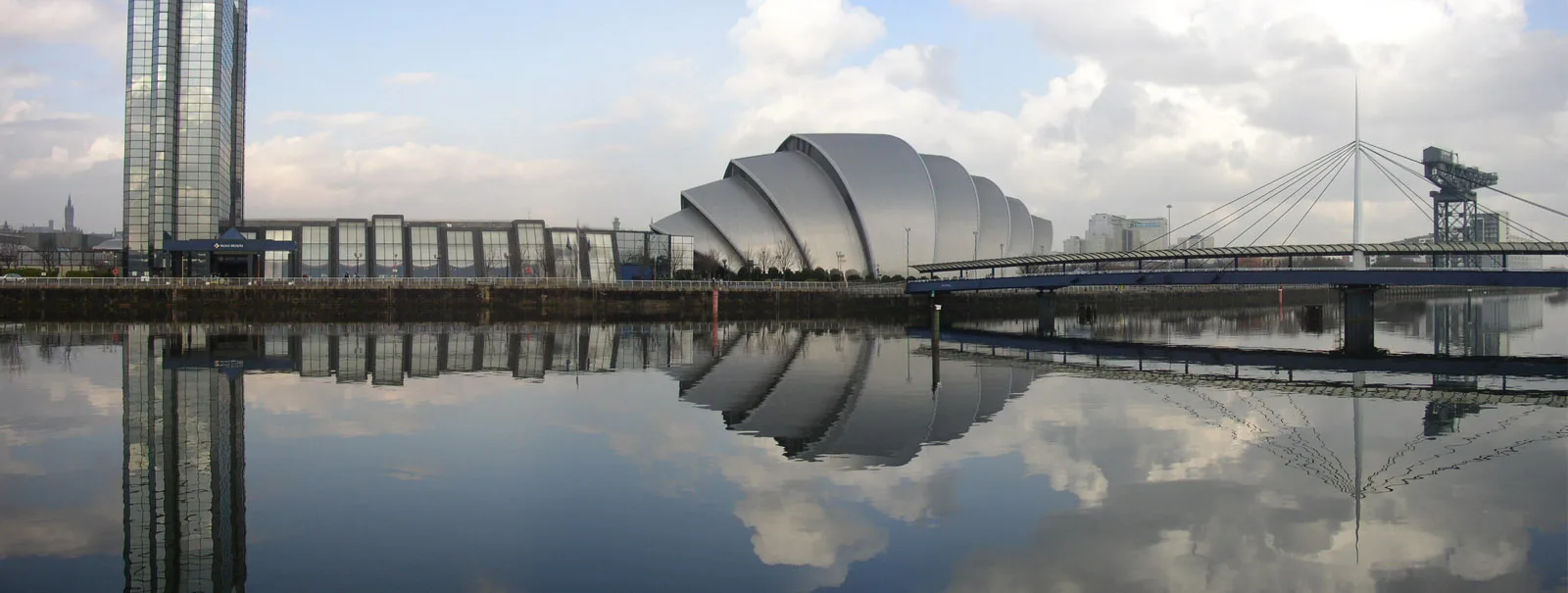
The SEC Centre in Glasgow is one of the largest event campuses in the UK. It hosts exhibitions, conferences and live events, and its venue rules cover build times, rigging, floor loading, catering and security. An agency booking space there will be asked for method statements, risk assessments and insurance certificates before build-up.
Edinburgh venues range from the EICC to the Assembly Rooms and a large stock of temporary spaces used in August. Each has its own rules on access, noise, curfews and signage. Glasgow and Edinburgh venue rules also differ on waste, traffic management and late-night licensing.
Licensing questions often turn on the Licensing Act 2003, which sets the framework for alcohol, regulated entertainment and late night refreshment in England and Wales. Scotland has its own licensing regime under the Licensing (Scotland) Act 2005, so an agency running events on both sides of the border needs two checklists, not one.
Operational safety is a separate check. The HSE guidance on running events safely sets out the duties that apply to organisers, and it is the reference point most venues will expect an agency to have read.
- Venue licence and premises conditions confirmed in writing
- Build and rigging method statements submitted
- Insurance certificates issued to the venue
- Noise, curfew and waste rules logged
- Medical and fire plan agreed with the venue
- Sign-off stored with the campaign file
Edinburgh festival season rules and their timing effects
Edinburgh in August is a different market. Festival season rules affect street trading, flyering, amplified sound and the use of public spaces. The city council operates pitch controls and a code of practice for promoters, and demand for venues, crew and accommodation peaks sharply.
Timing effects are practical. A campaign that would cost a certain amount in June can cost substantially more in August, and the best venues are booked many months ahead. Agencies should plan festival campaigns at least nine to twelve months out and build contingency into budgets and schedules.
Edinburgh festival season rules also affect advertising placement. Flyering zones, poster sites and digital screens are controlled, and unauthorised distribution can lead to fines or removal. An agency should map approved sites before creative work is signed off.
For teams comparing approaches across the UK, the event marketing UK regulations that shape English campaigns are a useful reference point, because some rules are shared and some are not.
Scottish procurement law for agency appointments
Scottish procurement law governs how public bodies buy event services. The main statutes are the Procurement Reform (Scotland) Act 2014 and the Procurement (Scotland) Regulations 2016, with the Public Contracts (Scotland) Regulations 2015 covering wider rules. These sit alongside the UK-wide Procurement Act 2023, which came into force in 2025.
For an agency, the practical points are thresholds, notices and standstill. A contract above the relevant threshold must be advertised on Public Contracts Scotland, and the award process must follow published timescales. Below threshold, a public body still needs a fair and transparent process.
Scottish public bodies also apply community benefit and fair work requirements. An agency bidding for a council or government event contract should expect questions on fair work practices, subcontractor payment and environmental reporting. These are scored, not decorative.
A useful discipline is to treat procurement as a compliance check in its own right. Confirm the route, the notice, the evaluation criteria and the standstill period before you commit resource to a bid. Keep the audit trail, because unsuccessful bidders can challenge.
ASA CAP Code application to Scottish event ads
Advertising regulation in the UK is handled by the Advertising Standards Authority, which applies the advertising codes to ads across England, Scotland, Wales and Northern Ireland. The CAP Code is the rulebook for non-broadcast ads, including event promotions, social posts and influencer content.
The ASA regulation overview explains how the system works and who it covers. For Scottish event marketers, the key point is that the same rules apply: ads must be legal, decent, honest and truthful, and claims must be substantiated.
Common problem areas for event ads include ticket price claims, availability statements, headline acts that are not confirmed, and testimonials that overstate results. Prize promotions must follow the CAP Code rules on administration, selection and publicity. Influencer posts need clear ad labels.
The ASA can act on complaints and can require changes or withdrawal. It also runs proactive monitoring, so an agency should keep evidence for every claim it makes. A simple claims file, with sources and dates, is enough for most campaigns.
Building the checks into an agency workflow
A compliance check only works if it is built into the way the agency operates. The operating workflow that many UK agencies use can be adapted for Scottish campaigns by adding the nine checks at the right stages.
- At briefing, assign each of the nine checks to a named owner and set a due date.
- At concept, test the core claims against the CAP Code and record the evidence.
- At venue booking, confirm licence, insurance and safety requirements in writing.
- At procurement, verify the route, notice and standstill before bidding.
- At build-up, check method statements, crew accreditation and waste plans.
- At live, monitor noise, flyering and data capture against the plan.
- At debrief, file the sign-offs and log any incident for the next campaign.
Teams that plan for disruption use risk scenarios to stress-test these steps, and the same method works for Scottish venues and festival timing.
A worked example shows the value. An agency planning an Edinburgh August activation should start in the previous autumn. By spring, the venue, licence and pitch permissions should be confirmed. By early summer, the CAP Code claims file and data protection impact assessment should be signed off.
By July, crew, insurance and safety plans should be final. That sequence avoids the August panic that catches unprepared teams every year.